
For the 2nd edition of Go Dairy Free: The Guide and Cookbook, I tested 25 (yes, twenty five) different types of milk alternative recipes. This included some unique options, but also classics, like homemade soymilk. After several batches, I settled on a slightly different recipe from the one I originally posted online, fifteen years ago. The new version made it into the book, and will now be our staple homemade soymilk recipe online!

Homemade Soymilk Recipe made Pure, Simple, Plant Based, and Cheap!
It’s important to note that homemade soymilk is a little different from store-bought. In many ways it’s better, and in some ways, it’s a little trickier. For guidance, I’m including the soymilk notes from the milk alternatives section in Go Dairy Free: The Guide and Cookbook, plus answers to a few other FAQs.
Is Soymilk Healthy?
After decades of being villainized, soymilk is slowly making a comeback. But in many cases, food manufacturers are using soy protein isolates. Whole, organic soybeans are very nutritious non-GMO foods, which are supported as healthy in many studies. It’s high quantities of isolates and concentrates that are the problem. Which is one of the reasons why I like to make my own soymilk with whole organic soybeans.
How Much Calcium is in Homemade Soymilk?
It takes 1/4 cup of soybeans to make 1 cup of soymilk. That quantity of beans contains about 129 milligrams of calcium. The micronutrients are depleted in cooking, so the finished soymilk is estimated to have around 25 to 50 milligrams o calcium per cup.
What Does Homemade Soymilk Taste Like?
It’s creamy, rich, very smooth, a bit beany, and slightly bitter. Soy milk producers have patented processes and equipment for extracting the bitterness that naturally occurs in soybeans. We don’t have as many luxuries at home. But after testing several methods, I found that cooking the beans for a little longer than usual helped quite a bit. Then a final touch of sweetener negates most of the remaining bitterness.
Is it Cheaper to Make Your Own Soymilk?
Definitely! According to my calculations, 1 quart of organic homemade soymilk costs about $1.25 to make. That price estimate is based on $6 per pound for organic soybeans. With non-GMO, non-organic soybeans, the cost can be as low as $.60 per quart. When purchased by the quart, organic soymilk costs about $2.60 for brands like Silk, and over $5 per quart for brands like Eden Soy and Westsoy. I’ve see Silk at big block stores in half-gallon sizes for as low as $3, or $1.50 per quart.
What’s the Difference Between Soymilk, Soy Milk, and Soya Milk?
There is no difference! I like using soymilk, which is the way it used to be most commonly written. These days, with the rise in dairy-free milk beverages, I often see it written as soy milk. In many commonwealth countries like Canada and England, it’s written as soya milk.
How Much Pulp is Leftover with Homemade Soymilk and How Can I Use It?
Expect about 50 percent of leftover okara, which feels a bit like playdough. Some people save the pulp, and use it in recipes like okara patties or okara hummus. It’s very dry, bland, and fibrous, so don’t expect it to add much flavor to your recipe!
Can I Use Homemade Soymilk in Coffee and Tea?
Both store-bought and homemade soymilk beverages tend to curdle, so I don’t recommend them for hot beverages or where separation is a big concern.
What are the Best Ways to Use Homemade Soymilk?
We like our homemade soymilk in smoothies, cereals, and other sweet and hearty applications. If left unsweetened, it can be used to enrich savory dishes. It can separate or appear curdled when heated, but in sauces and soups, it’s easy to blend in, and is often emulsified by the other ingredients.
Do I Have to Boil the Soybeans?
Yes, beans must be cooked. Undercooked or raw beans can be toxic, and this includes soybeans.

Special Diet Notes: Homemade Soymilk
By ingredients, this recipe is dairy-free / non-dairy, egg-free, gluten-free, grain-free, nut-free, peanut-free, vegan, plant-based and vegetarian.


Homemade Soymilk
Ingredients
Method
- Put the soybeans in a container and cover with a few inches of water. Cover and place in the refrigerator to soak for about 24 hours.
- Drain and rinse the soaked soybeans. Remove any remaining hard soybeans (those can be cooked and tossed into a meal for extra protein).
- Put 2 cups of the slightly softened soybeans in your blender with 2 cups hot water. Blend until relatively smooth and creamy, about 2 minutes.
- Pour the milky mixture into a medium saucepan, through a nut milk bag or a few layers of cheesecloth lining a sieve to strain. Squeeze the pulp to extract as much milky goodness as possible.
- Return the remaining soybean pulp to your blender. Add 2 cups hot water and blend until creamy, about 1 minute. Pour the milky mixture through the nut milk bag or cheesecloth again, and squeeze to extract more of the milky goodness. Repeat this step 2 more times, using up the rest of the water and fully extracting as much richness from the beans as possible.
- Place the pan over medium heat and bring the soymilk beverage to a boil. Reduce the heat to medium-low and simmer for about 35 minutes, whisking often. If a skin develops (this can happen several times), simply whisk it in or remove it, if preferred.
- Whisk in the sugar and salt and cook, whisking often, for another 5 minutes.
- Pour the thickened soybean milk beverage into a large glass measuring cup and add enough fresh water to make 4 cups. Whisk to combine.
- Store in an airtight container in the refrigerator for up to 1 week. Stir before each use; it might separate a little as it sits.
Nutrition
Notes
Tried this recipe?
Let us know how it was!More Homemade Dairy-Free Milk Alternatives
The Best Homemade Almond Milk

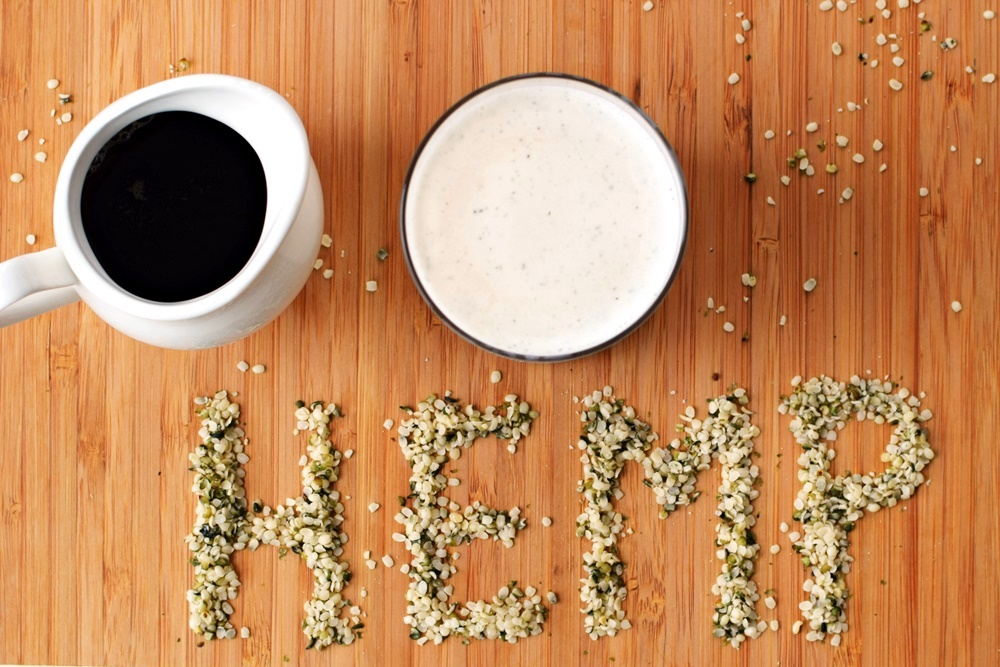
Homemade Maple Hemp Milk
Versatile Cashew Milk

For More Dairy-Free Guidance, Get Go Dairy Free!


6 Comments
There are now machines that make soymilk in 20 mins, no soaking needed! I use the Joyoung brand soymilk machine, which can also make nutmilks. Just put a cup of dry organic soybeans in it, add water, press a button, walk away and come back to a piping hot liter of soymilk. For extra calcium and the fiber that we all need, don’t strain out the okara, just drink the soymilk as is. The machine grinds it down fine enough that the soymilk is just thicker. You can often find these machines used, online.
This is a great solution for people who make it often and have kitchen space!
Hi there! I was wondering if you have any advice on where to find organic soybeans? I’ve checked my local Whole Foods and Sprouts but they have none, and when I search on Amazon, there is a sea of sketchy-looking results all from brands I’ve never heard of, so I was wondering if you might have advice on sourcing? Really appreciate any help you can provide! Thank you so much!
Since Bob’s discontinued there soybeans, I do buy them locally or on Amazon. This brand has been pretty good – https://amzn.to/47Fce8I
I’d also check https://www.vitacost.com/ – they carefully source brands and are far more particular than Amazon
Oh thank you so much! I ended up going with Vitacost and they came in the mail this morning; can’t wait to try your recipe. 🙂
Glad I could help. I hope you love it Sara!